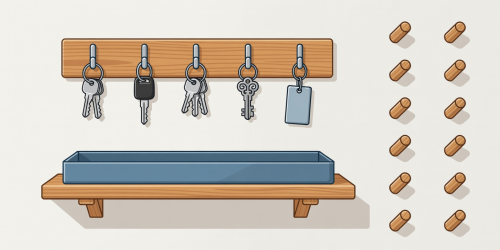
 Sorting
Clear space without rushing
Learn how to sort possessions by room or category without making an overwhelming mess. Includes sorting boxes and advice for sentimental items.
Explore sorting techniquesA tidy room is not about perfection or empty shelves. It is about friction. Friction is the extra effort you feel when finding what you need takes too long, or putting it back feels too hard.
This website helps anyone who feels overwhelmed by household possessions. We explain how to sort items without panic, how to store things where you actually use them, and how simple habits keep counters clear.
When an item has no clear home, it stays on a table. When putting an item away takes three separate actions, it gets left on the counter instead.
Organising begins by paying attention to everyday friction. Notice the items you pick up and put down most often: keys, shoes, coats, phone chargers, mail, and cooking utensils. If returning an item to its spot takes more than five seconds, that spot is in the wrong place.
You do not need matching bins or designer labels to start. You only need to group similar things together and keep the items you touch every day close at hand.
Large reorganising projects often fail because they create fatigue. When you pull everything out of a wardrobe at once, the room becomes harder to live in before it gets better. A reliable way to build momentum is to test changes in short, focused steps.
You may have heard of popular approaches such as the KonMari method by Marie Kondo, which asks people to consider joy and sort by category, or FlyLady by Marla Cilley, which focuses on daily habits and shiny kitchen sinks. There is also the Eisenhower Matrix, a planning tool that divides tasks by urgency and importance.
None of these methods is mandatory. Each is simply a set of ideas. You can borrow one idea that helps your daily life and leave the rest behind.
Starting is often the hardest part. Here are answers to common questions beginners ask when tackling clutter:
Set a timer for five minutes. Focus on one small task, such as emptying a dishwasher or gathering recycling. When the timer rings, you have permission to stop. A five-minute boundary removes the dread of an endless project.
Ask yourself when you last used it and whether you would replace it if it disappeared tomorrow. If an item is in good condition but you have not touched it in over a year, someone else could make good use of it today.
No. Buying containers before sorting what you own often creates more clutter. First decide what you are keeping and where it should live. Empty cardboard boxes or shoeboxes work well while testing a layout.
We divide household organisation into four distinct guides so you can focus on the specific problem you are dealing with today.
Sorting
Learn how to sort possessions by room or category without making an overwhelming mess. Includes sorting boxes and advice for sentimental items.
Explore sorting techniques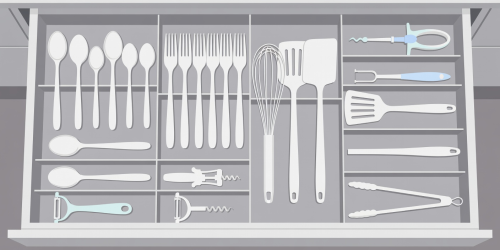 Storage
Discover how reach zones, visible containers, and simple dividers prevent cupboards and wardrobes from becoming tangled over time.
Explore storage principles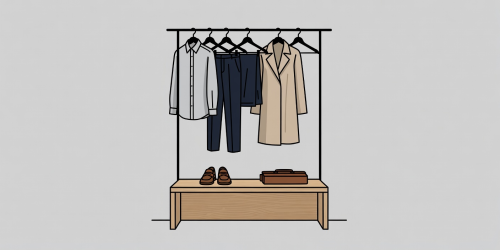 Layout
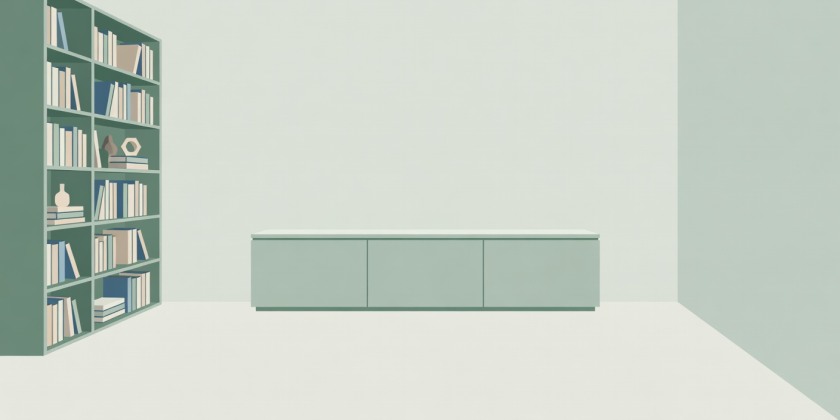
Arrange furniture and walking paths to match how you move each morning and evening. Avoid bottlenecks near front doors and kitchen counters.
Explore room flow Routines
Simple morning and evening resets that stop chores from accumulating into weekend marathons. Build habits that require minimal willpower.
Explore daily routinesAbout cookies Essential cookies keep this site working. Optional ones help us see what is useful. You can change your choice at any time. More about cookies